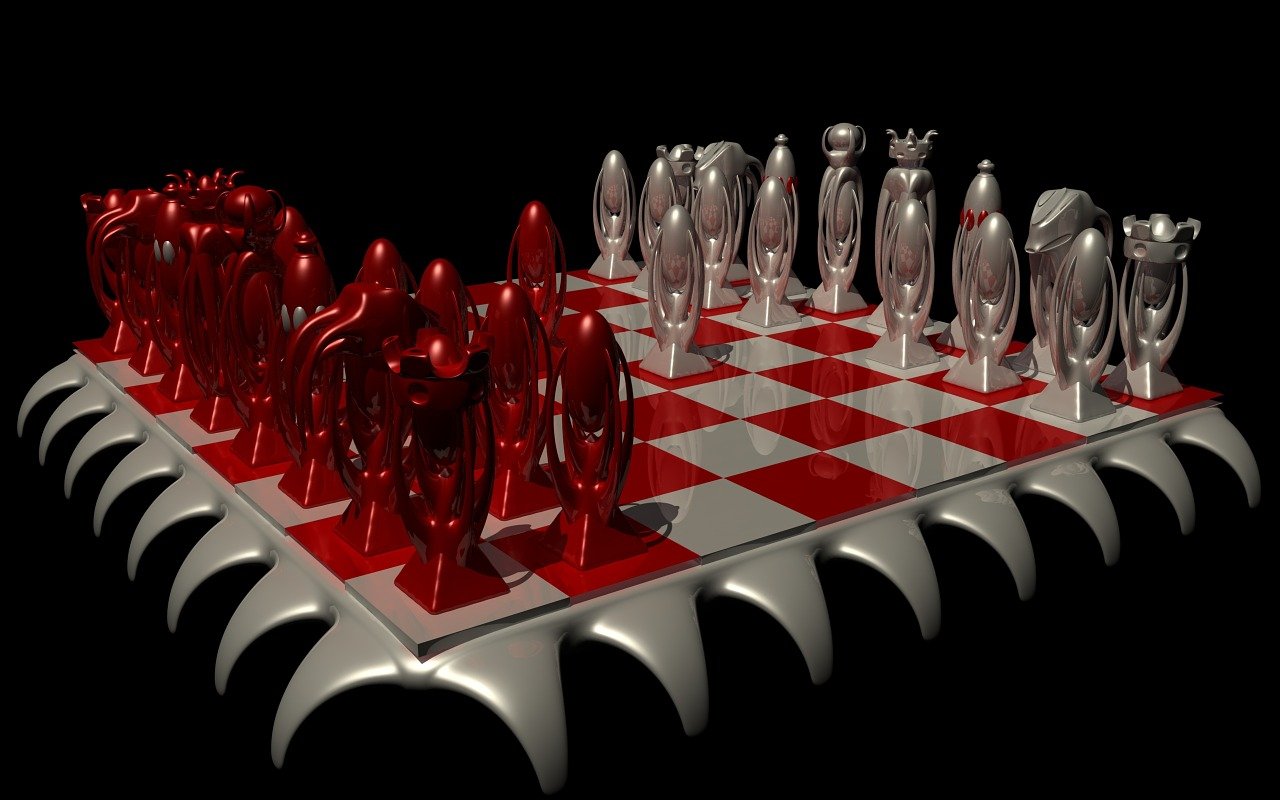

The W.o.D, Substance use treatment system

Police and Drugs

Familiarity
Proximity and Familiarity: We are more likely to be attracted to people who are physically near us, such as coworkers or classmates (the "proximity effect"), and those who seem familiar, which provides a sense of predictability.
Similarity and Shared Values: People often gravitate toward others who share similar interests, values, and personality traits, as this creates a comfortable and reinforcing environment.
Physical and Biological Cues: Evolutionary factors play a role in identifying healthy potential mates through, for example, clear skin, symmetrical facial features, or pleasant body odor.
Psychological Factors: Sometimes, people are drawn to those who mirror familiar dynamics from their upbringing, or who possess qualities they are subconsciously trying to find, sometimes leading to preferences that are not entirely rational.
Reciprocity and Personality: The feeling that someone likes us ("reciprocity") often sparks attraction, as do desirable personality traits like confidence, humor, and intelligence.
Close to Me
Most of these factors have in the past been attributed with how we’ve evolved as humans. Take familiarity, Dr Hart told Bitesize: “I think it links back to our evolutionary past. We are attracted to those who seem familiar to us, as familiarity provides predictability and safety.”
One such theory that links with familiarity is something called ‘imprinting’. Dr Alex Jones of the University of Swansea says it is slightly “out there”, and explained it with reference to the animal kingdom: “When animals are very young they have this thing called ‘sexual imprinting’ which is where they use clues in their environment to figure out what a good mate might be, somebody who might be a good bet to try and reproduce with.
“That’s usually based on characteristics that their parents have which, like I say, is a little bit weird.”
So for example, if someone in your family or group of friends that you grew up with was really funny, and you enjoy their company, you might be likely to be more attracted to funny people when you grow up, because it’s something that you’re used to.
These factors can also be linked. Like proximity and familiarity: if you see someone every day, you’re likely going to get used to their company over time, until it gets to a point where you’re very comfortable with them and it would feel strange not having them around.
But none of these factors are the be all and end all. “Just because you’re near someone it doesn’t mean you’re going to like them, because if your first impression of them is bad, then being near them all the time isn’t going to solve that,” explained Dr Hart.
I Hate Loving You
Some people mean nothing tyo you and somer they are so familiar youi weant to be with them yoou want to talk to therm and see them againj and again. That is not neccessary love or you are in love with them! Although most of us make the mistake and they confuse love with familiarity. Proove for that is thre rate of divorcees ewe have every year.
Do I Know You?
Proximity has always been, and to some extent still is, considered the most important part of why we’re attracted to someone, or even why we’re friends with someone according to Dr Hart: “If you look at people who use Facebook for example you still find the people they would claim to be their best friends tend to be in close proximity to them. So I still think [proximity] has a major role to play, and it’s by being close to people that you will realise that you share similarities with them or that you are physically attracted to them.”
Dating apps have gone some way to change this however. Where in the past you might have been limited to the people in your immediate circle or community to pick a date from, now you have hundreds upon thousands of more options.
She said technology has “changed the way that we interact with people and the number of people that we can potentially be attracted to”, as now we can swipe through hundreds of potential partners every few minutes.
This can however be a bit of an issue: “When we’ve got more choice we don’t actually know who we’re attracted to because we would change the boundaries of who we actually find attractive.
“If you go into a supermarket and you see they’ve got two jams you’ll say ‘okay I want that jam’, but if you go in and there’s this massive array of jams suddenly your criteria for what jam you want might change because there’s this massive selection and I think it’s the same with dating.”
Long Story
Dr Jones said that whilst there are situations where it may seem as though we go for a certain type of person, this is subject to change as we go through life. This is to do with what he called our socio-sexual orientation: “It isn’t to do with sexual orientation but is rather this tendency that people have to pursue sex without love, so whether they’re interested in short term or long term relationships.
“So if you’re very open to sex without love, you tend to find certain types of faces more attractive and vice versa. But as people get older, things change in their life, their circumstances change, then this kind of proclivity also changes.”
There’s a number of difficulties for this area of psychology however. In the case of physical attractiveness for example, previous studies have concluded that things such as symmetry and particular types of features are widely considered to be more attractive, because as we’ve evolved, we’ve figured they might indicate a certain level of reproductive health.
However recent research throws some of these assumptions out of the window. For example, studies in 2014 and 2018 found there was no link with facial asymmetry and poor health. Dr Jones said: “It’s an interesting time - we know some things but we actually know a lot less than we did about ten years ago.”
So, if you can’t stop thinking about someone in your class, you feel ecstatic when you’re near them and sad when you are away from them, be comforted by the knowledge that almost everyone will have been through it at some point, and there are people on the case to find out exactly why.