

The War on Drugs, Objectives and Motivation

Zemiology and Digital Drug Market
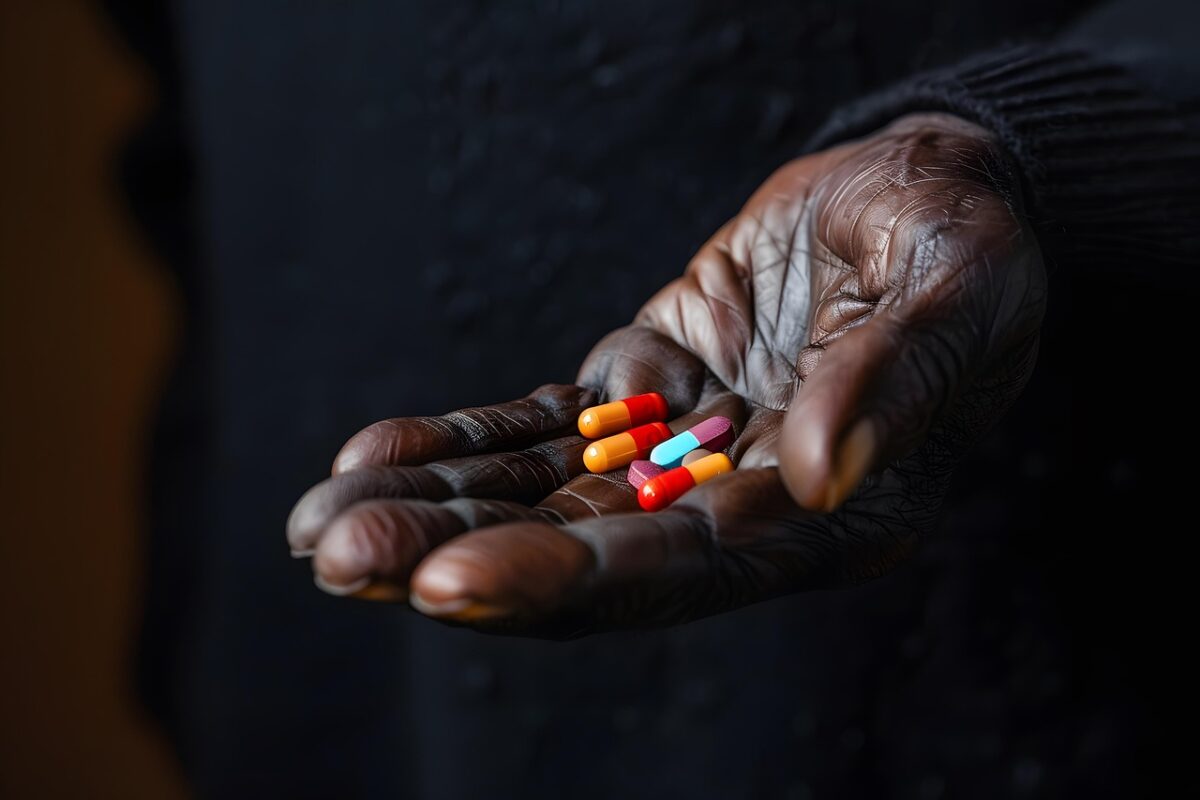
The War on Drugs and Harms
The "War on Drugs" is widely considered a failure by many experts and international bodies, with extensive evidence indicating it has caused significant harms to public health, human rights, and development. Rather than achieving its goal of a "drug-free" world, the punitive approach has produced numerous unintended, destructive consequences.
Harms to Public Health
Criminalization pushes drug use into unsupervised, unhygienic environments and creates a dangerous illicit market where substances are often adulterated (e.g., fentanyl crisis in the US), leading to record numbers of overdose deaths. High rates of HIV and Hepatitis C transmission are linked to the sharing of injecting equipment, a practice more common when access to sterile supplies and healthcare is restricted by law enforcement and stigma. Stigma and fear of arrest deter people from seeking help or accessing harm reduction services, such as needle exchange programs or opioid substitution therapies (OST), even when available. In some places, effective, evidence-based treatments like OST are even illegal. Overly restrictive drug policies, driven by fears of diversion, have led to 5.5 billion people worldwide having low or non-existent access to opiate-based pain medications, including for terminal cancer patients.
Harms to Human Rights and Social Justice
Mass Incarceration and Racial Disparities: The "War on Drugs" has fuelled mass incarceration, particularly impacting communities of colour. In the U.S., Black people are significantly more likely to be arrested and imprisoned for drug offenses than white people, despite similar rates of drug use and sales. Erosion of Rights and Stigma: Convictions can result in lifelong "collateral consequences," including denial of voting rights, employment, public housing, and student loans, creating a permanent second-class status for millions. Violence and Human Rights Abuses: The focus on law enforcement has militarized responses to drugs, leading to violence, human rights abuses, and extrajudicial killings in various countries. Drug detention centres in some regions have been associated with forced labour, physical abuse, and torture. Impact on Children and Families: Children are harmed when parents are incarcerated for minor drug offenses, leading to emotional trauma and reduced life chances. Zero-tolerance policies in schools often lead to suspension or exclusion rather than support, jeopardizing students' futures.
Economic and Political Harms
Fuelling Organized Crime: Prohibition leaves the lucrative drug market entirely in the hands of criminal organizations, who then use violence and corruption to operate. The illegal drug trade is estimated to cost society billions of pounds/dollars annually in crime-related expenses. Ineffectiveness: Decades of punitive policies and billions of dollars spent have not significantly reduced drug use, nor made drugs harder to obtain. In response to these pervasive harms, there are widespread calls from the UN, public health professionals, and advocacy groups to rethink global drug policy and adopt a health-based, harm reduction approach that prioritizes public health, human rights, and social support over criminalization.
There is a growing recognition in the fields of public health and medicine that social determinants of health (SDOH) play a key role in driving health inequities and disparities among various groups, such that a focus upon individual-level medical interventions will have limited effects without the consideration of the macro-level factors that dictate how effectively individuals can manage their health. While the health impacts of mass incarceration have been explored, less attention has been paid to how the “war on drugs” in the United States exacerbates many of the factors that negatively impact health and wellbeing, disproportionately impacting low-income communities and people of colour who already experience structural challenges including discrimination, disinvestment, and racism. The U.S. war on drugs has subjected millions to criminalisation, incarceration, and lifelong criminal records, disrupting or altogether eliminating their access to adequate resources and supports to live healthy lives. This paper examines the ways that “drug war logic” has become embedded in key SDOH and systems, such as employment, education, housing, public benefits, family regulation (commonly referred to as the child welfare system), the drug treatment system, and the healthcare system. Rather than supporting the health and wellbeing of individuals, families, and communities, the U.S. drug war has exacerbated harm in these systems through practices such as drug testing, mandatory reporting, zero-tolerance policies, and coerced treatment. We argue that, because the drug war has become embedded in these systems, medical practitioners can play a significant role in promoting individual and community health by reducing the impact of criminalisation upon healthcare service provision and by becoming engaged in policy reform efforts.
.
Employment
Employment, with its link to income and health insurance, is an important determinant of health. However, drug testing, criminal background checks, and exclusions of those with criminal histories from certain professions create significant barriers to obtaining and maintaining employment. Beginning in the 1980s, employment-based drug testing became widespread. In a 1994 report, the National Research Council noted that “[i]n a period of about 20 years, urine testing has moved from identifying a few individuals with major criminal or health problems to generalized programs that touch the lives of millions of citizens.” Between 2017 and 2020, the National Survey on Drug Use and Health found that approximately 21% of respondents were tested as part of the hiring process, and 15% were subject to random employee drug testing. Despite the widespread use of testing, less than 5.5% of results are positive for any drug, according to data from Quest Diagnostics, one of the largest testing companies in the country. There is little evidence that these policies are effective in reducing drug use, improving workplace safety, or increasing productivity. Notably, drug tests cannot specify how much of a drug was consumed, whether the person is currently intoxicated or impaired, or if they have a SUD. Drug tests cannot indicate if drug use will impact a person’s ability to perform their work or if they present a safety risk. Rather, drug tests simply show whether someone has a particular metabolite in their system. Beyond workplace drug testing, hundreds of thousands are excluded from stable, well-paid work because of drug-related convictions. Over 70 million people – more than 20% of the U.S. population – have some type of criminal record. A drug arrest or charge, even without a conviction, can be a barrier to getting a job because it can appear in many web searches and background checks. Criminal background checks have become cheaper and easier to access, even though these records are notoriously inaccurate. In addition, more than a quarter of jobs in the U.S. require some kind of licence, and a drug conviction history can automatically prevent people from getting a professional licence for their trade, like trucking or barbering. These employment barriers disproportionately affect Black men, who already face additional impediments to employment and who are most harmed by the drug war and criminalisation. The federal Equal Employment Opportunity Commission issued guidance stating that denying employment based on criminal records could be a form of racial discrimination because people of colour are more likely to be targeted by law enforcement and thus more likely to have an arrest or conviction record. As a recent report by the Brennan Centre points out: “the staggering racial disparities in our criminal justice system flow directly into economic inequality. This same report found that those with a history of imprisonment earned 52% less than those with no history of incarceration. Employment is a health issue that should be of concern to healthcare providers because it provides income, access to health insurance and medical treatment, and social connection. Precarious employment and low income are linked to poor health, and some research has shown that people who use drugs and who are precariously employed face increased vulnerability to violence and HIV infection. Being unemployed can lead to poverty and negative health effects and is associated with increased rates of drug use and SUDs. Rather than supporting people who use drugs in accessing employment and the health benefits attached to it, drug war logic in employment settings can erect barriers. Eliminating or greatly restricting workplace drug testing as well as banning criminal background checks and professional licencing restrictions are important steps towards restoring access to employment and the many health benefits it confers.
Housing is another key SDOH that is significantly impacted by drug war policies and practices. Drug war surveillance in housing began with the passage of the Anti-Drug Abuse Act of 1988, which prohibited public housing authorities (PHAs) from allowing tenants to engage in drug-related activity on or near public housing premises and deemed such activity grounds for immediate eviction.
The Cranston-Gonzalez National Affordable Housing Act of 1990 expanded on this so that if a tenant’s family member or guest - regardless of whether they live on-site - engages in drug-related activity, the tenant and their household can be evicted. Additionally, the Act states that evicted households must be banned from public housing for a minimum of three years unless the tenant completes an agency-approved drug treatment program or has otherwise been “rehabilitated successfully.”